
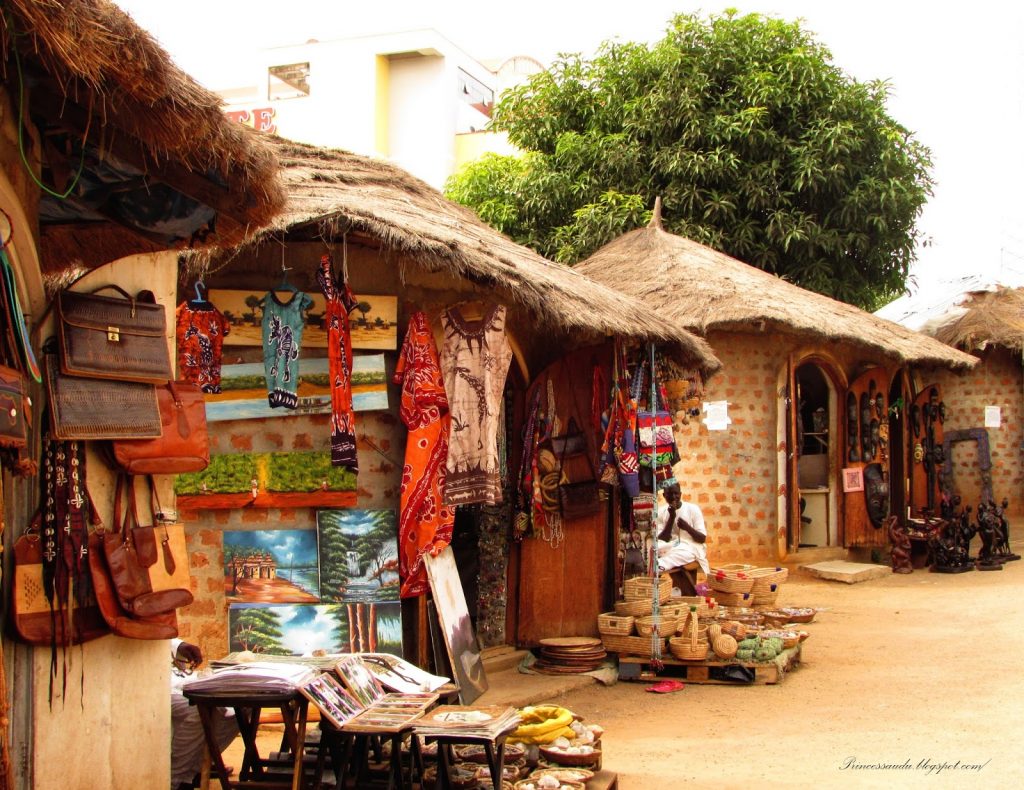
Background and Cultural Importance
In a city heavily defined by concrete, glass skyscrapers, and wide, paved expressways, the Abuja Arts and Crafts Village is a stunning, deliberate anomaly. Located right in the heart of the Central Business District, it was built to replicate a traditional pre-colonial African village. The shops are constructed using red clay earth with steeply pitched thatched roofs. It serves as a vital cultural repository, bringing together artisans from all over Nigeria’s diverse ethnic groups to showcase their heritage in the nation’s capital.
History and Resilience
The village has faced significant challenges. In late 2017, a tragic fire swept through the densely packed huts, destroying millions of Naira worth of irreplaceable art, textiles, and historical artifacts. Despite the devastation, and fears that the prime real estate would be cleared for commercial development, the artisan community demonstrated incredible resilience. They rebuilt the village using the same traditional methods, reinforcing the site’s importance as a permanent fixture of Abuja’s cultural landscape.
The Visitor Experience
For tourists and residents alike, the village is an immersive shopping experience. It is the definitive location in Abuja to purchase authentic souvenirs. Visitors can watch craftsmen at work—carving intricate mahogany masks, hammering bronze statues, weaving traditional Adire fabrics, and tooling leather bags. Haggling is expected and part of the vibrant culture of the market. The scent of polished wood, burning incense, and tanned leather makes it a sensory journey back in time.
Looking for a comfortable base for your visit?
Plan your stay at Chrisvirgy